EN
EN


How to Maintain Metal Steel Lockers Long-Term?
Steel lockers must be cleaned periodically to prevent the buildup of dust and grime. To break down grime and dust buildup, use a single microfiber cloth for dusting, paying special attention to the surface, as the cloth removes dust without damaging the locker's finish. To address stains, mix a small amount of mild dish soap with water. Then, using a microfiber cloth dipped in water and wrung out to an appropriate moisture level, scrub the stain with the soapy water. During the cleaning process, ensure that no abrasive materials, bleach, or ammonia are used, as these can cause protective coatings to be lost, leaving bare metal vulnerable to moisture and rust and resulting in the loss of protective color.
Once the cleaning process is completed, use a dry, clean cloth to wipe down the locker, ensuring there are no water spots and no residual moisture. A customer from the Philippines with steel wardrobes noted that even in hot and humid conditions—where wooden furniture would rot—regular cleaning kept the lockers looking new.
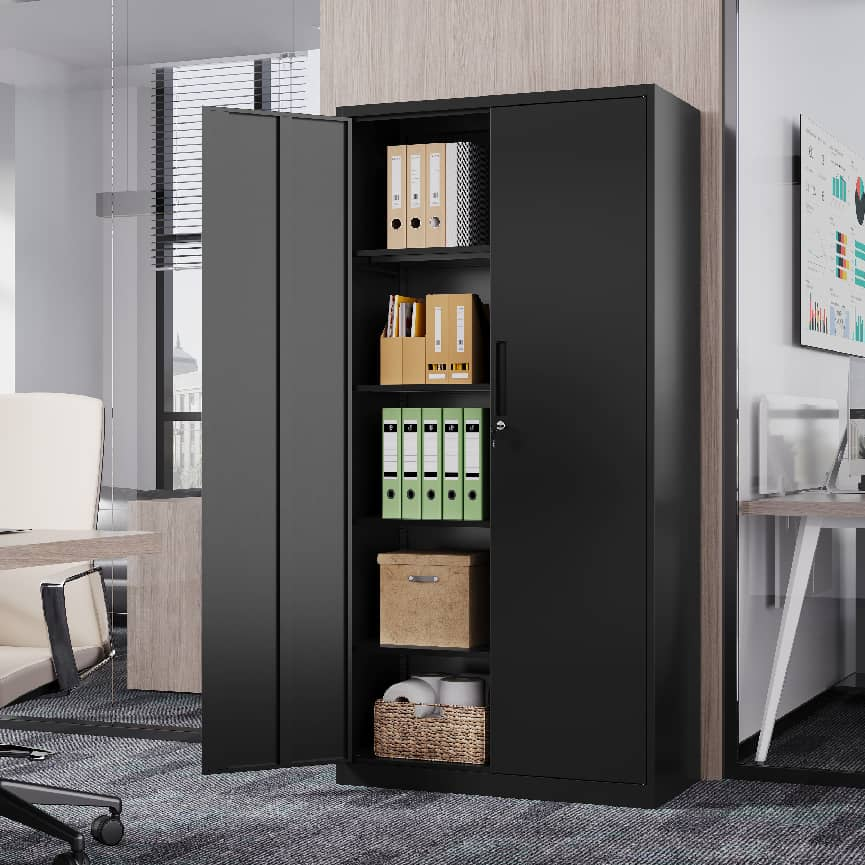
How To Handle Your Lockers
Steel lockers are extremely durable and can last for years, but they may develop dents, scratches, or bent components if not properly maintained. To prevent damage to the hinges, locks, and overall structure of the locker, avoid slamming the doors. Ensure that nothing heavy is hanging from the handles, and it is also important not to place excessive weight on the shelves. While each shelf can support a significant amount of weight, too much weight could cause parts to warp or bend.
If you need to move the lockers, do so properly to avoid dragging them on the ground, as this can cause scratches and damage their feet or wheels. When placing items on top of the lockers, ensure they are not sharp or heavy, as such items could lead to dents. By taking care of the lockers, you can prevent damage and help them last longer.
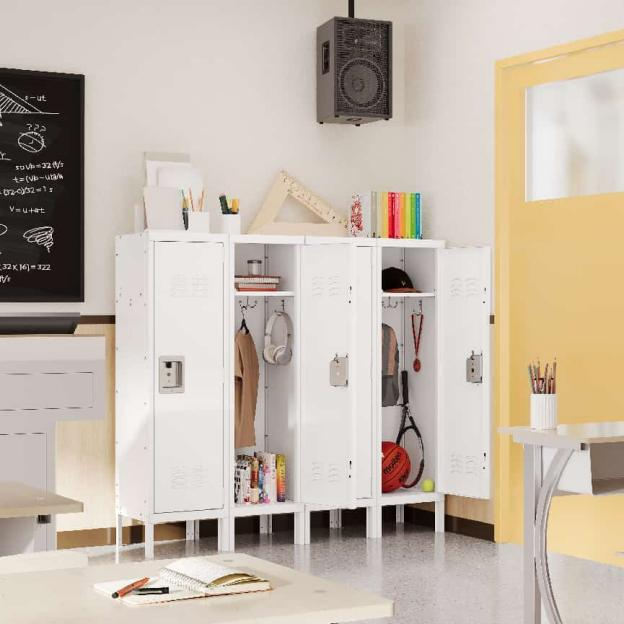
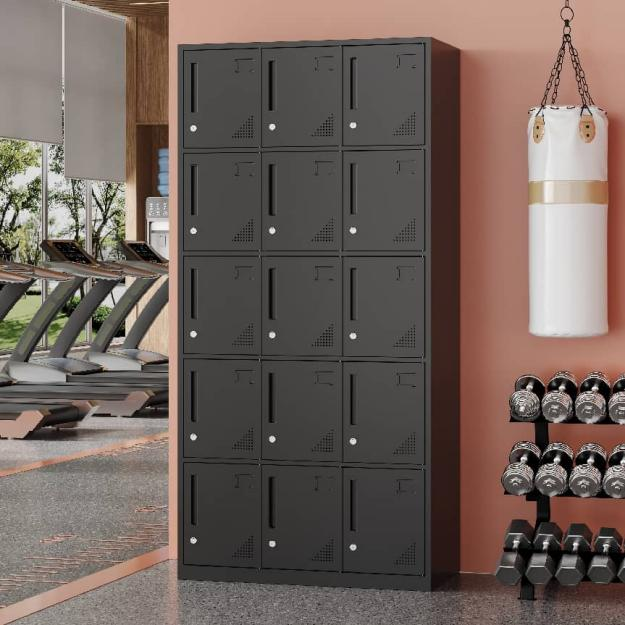
How to Prevent Lockers from Rusting in Humid Environments
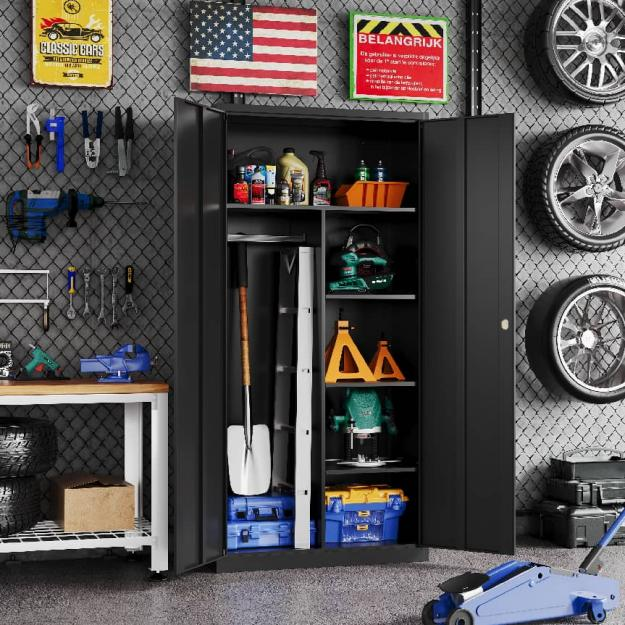
One of the biggest threats to quality steel lockers is the presence of humidity and moisture. Quality steel lockers are equipped with coatings such as double-sided powder coating or electrostatic spray. Although these coatings are designed to protect the metal from moisture, the lockers do need to be stored in a ventilated area to reduce moisture levels in their vicinity.
If you are storing lockers in areas with high humidity, such as garages, rain-prone outdoor spaces, or basements, you may need to use a dehumidifier to control environmental moisture levels. Touch-ups on the lockers should be performed as soon as a coating becomes scratched or chipped. These touch-ups prevent the metal from being exposed, which in turn stops moisture from reaching the air and the metal. Industry experts note that the effort required for paint touch-ups is worthwhile, as they significantly reduce the rate of rust formation—regular inspections and touch-up painting can greatly extend the time before rust appears. Lockers made from metal meeting quality standards are typically equipped with phosphate-free electrostatic spray coatings that act as a moisture barrier. However, it must be emphasized that the most effective rust prevention techniques still depend on how well the lockers are maintained.
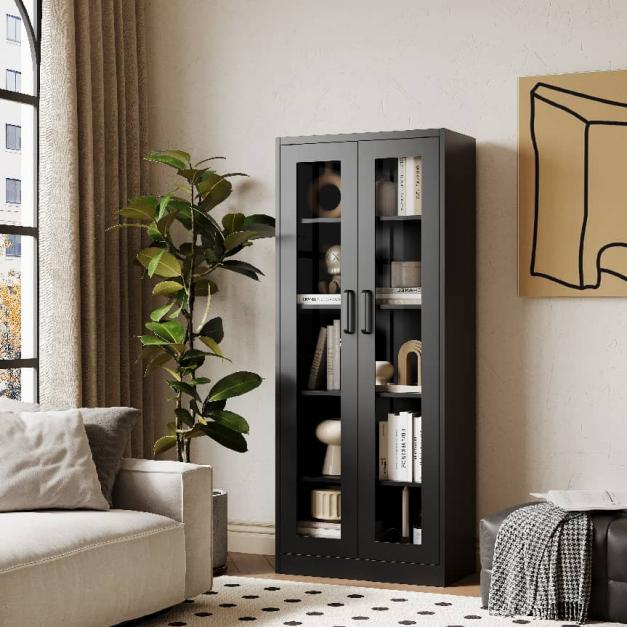
Lock And Hinge Maintenance For Smooth Movement
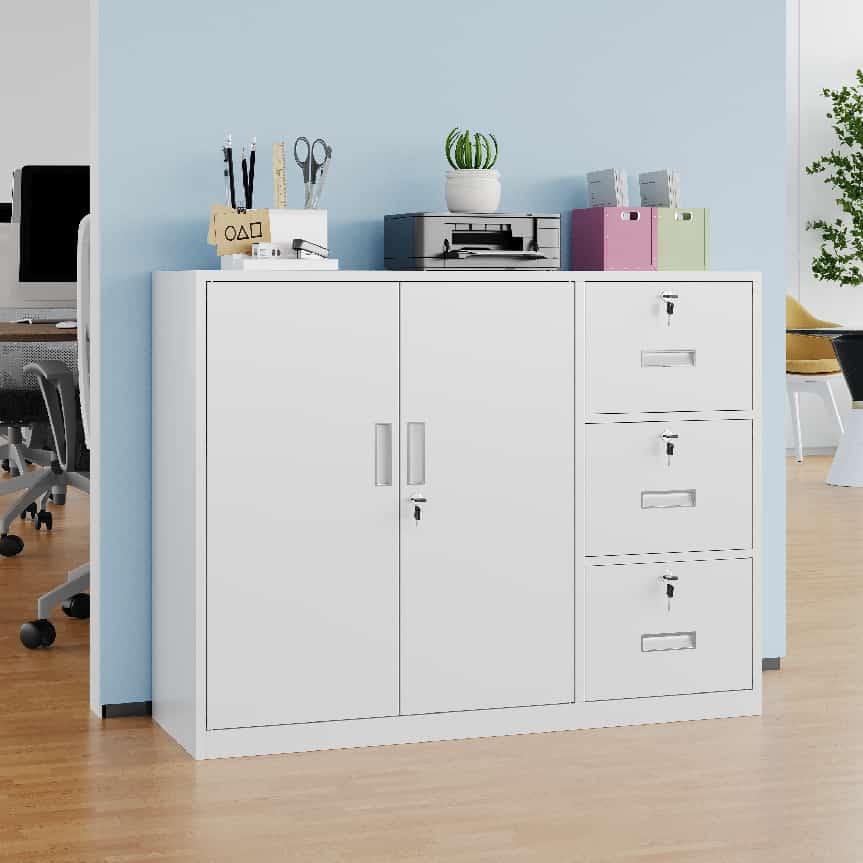
Every metal steel locker contains specific moving parts, including locks and hinges. Proper maintenance of these components ensures they continue to operate efficiently. For the locks, please avoid forcing the key if it does not turn smoothly. If the lock feels stiff, apply a small amount of graphite powder to the keyhole. Graphite is a dust-free solution and serves as a superior lubricant compared to oil, which attracts dirt and can ultimately cause the locks to stick.
Hinges, for example, should also be checked regularly for looseness. Take a moment to tighten any loose screws to keep the locker door aligned. If a hinge squeaks and feels stiff, use a silicone lubricant to address these issues; it will help the door open and close freely without wiping the finish off the hinges. With these small maintenance routines, you will ensure that the locks continue to function properly and prevent damage to the locker doors.
Avoiding harmful Substances and Chemical Exposure
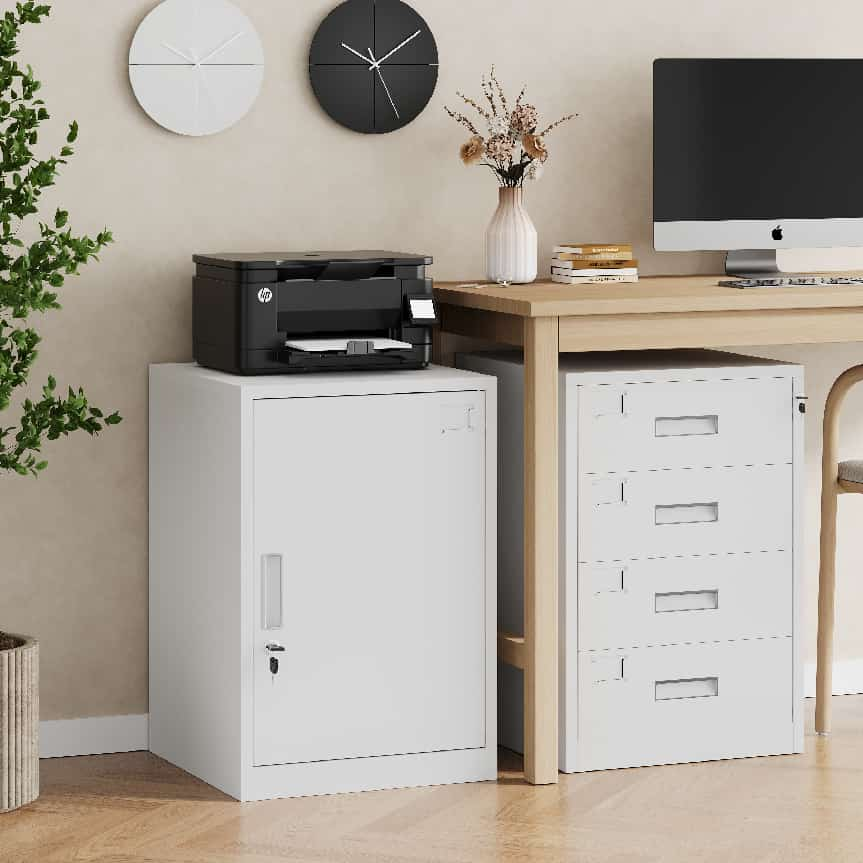
Steel lockers can be damaged when exposed to harmful substances such as chemical corrosion. Do not place steel lockers near corrosive substances like acids and other chemical solvents, as these will corrode the coatings and cause permanent damage to the metal. In the rare event that a corrosive substance spills on the steel lockers, wipe it off immediately with a damp cloth and then dry them thoroughly.
Do not place lockers near extreme heat sources such as radiators and heaters, and avoid exposing them to direct sunlight for extended periods. Extreme heat can cause the coating to fade and crack. Additionally, do not apply stickers to the lockers, as stickers and their adhesives may remove the coating. If lockers are stored in extreme conditions or come into contact with harmful substances, they may become malleable and lose their protective coverings.
Big Concern preventative strategies
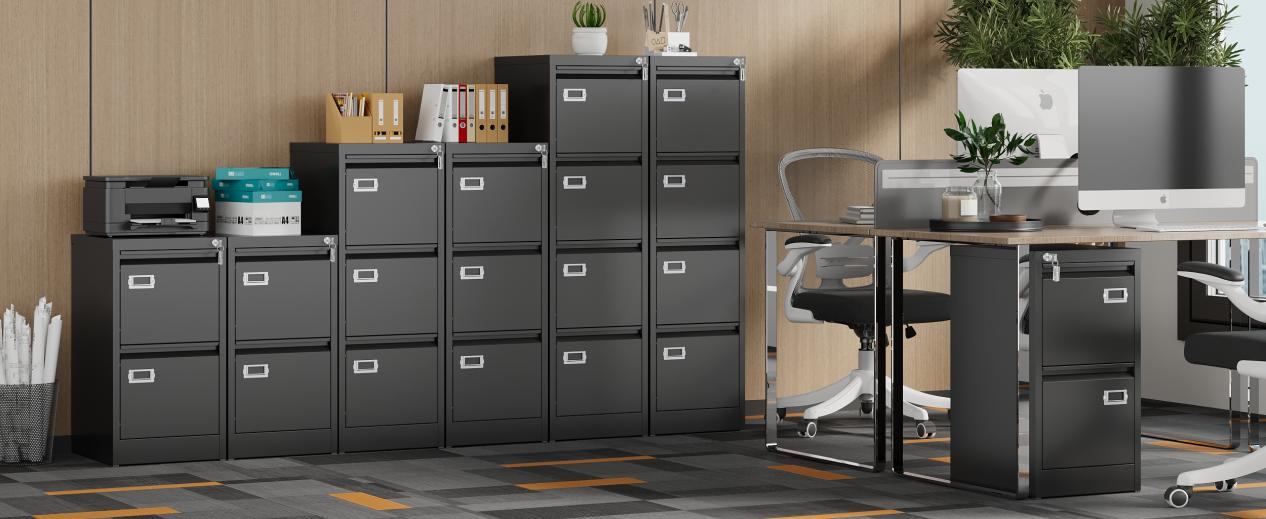
Those responsible for providing preventative strategies should establish schedules to inspect the steel lockers every few months. During these inspections, check their surfaces for scuffs, dings, scratches, peeling paint, or rust. Examine the shelves to ensure there is no bending or warping. Confirm that the doors shut properly and that the locks operate smoothly.
Inspect the bumper bullies or casters for firm, steady support. If any issues are noticed during the inspection, paint, tighten screws, address locks and hinges, and repair any problems. Addressing these issues prevents small problems from becoming major and extends the lockers' lifespan.
If you want to learn more information about steel lockers, you can contact us via email: [email protected] or WhatsApp: +86 18903798620.